
4mm float glass price
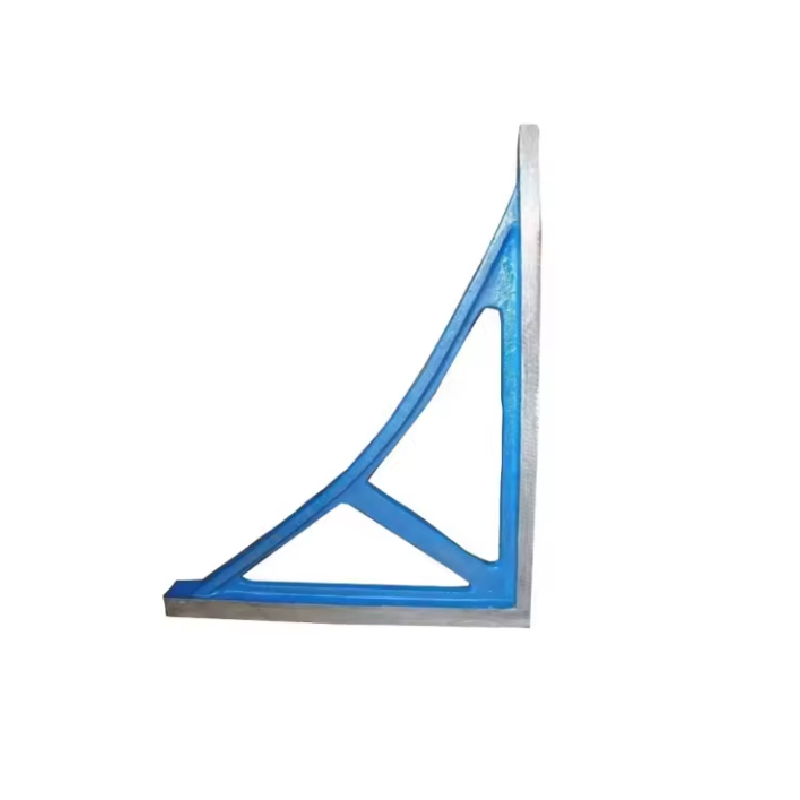
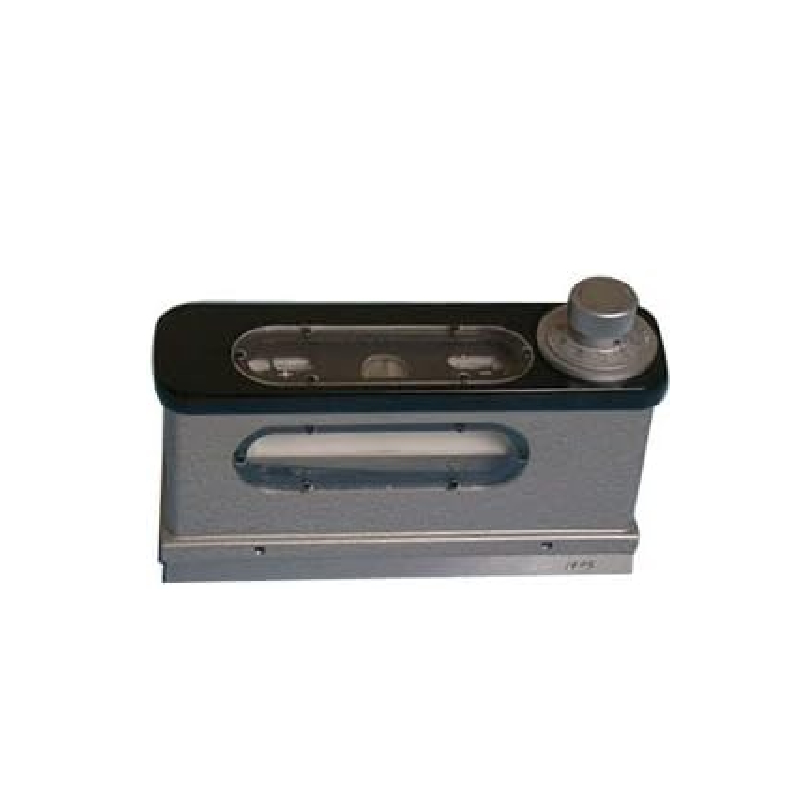
The Versatile Metal L-Shaped Ruler A Craftsmanship Essential L-shaped rulers have long been a staple in various fields, from architecture to engineering, and even in everyday tasks at home and school. When crafted out of metal, these rulers become tools of precision and durability that stand the test of time and usage. The specific design of the L-shaped ruler maximizes its functionality, making it an indispensable companion for anyone who values accuracy in their work. One of the primary benefits of a metal L-shaped ruler is its robustness. Unlike plastic counterparts, metal rulers can withstand more wear and tear. They are not easily bent or warped, which ensures that they maintain their shape and accuracy even after prolonged use. This durability translates into more accurate measurements over time. Whether one is drawing straight lines, measuring angles, or creating perfect right angles, a metal L-shaped ruler provides the necessary reliability to achieve precision. The Versatile Metal L-Shaped Ruler A Craftsmanship Essential In addition to its utility in professional fields, the metal L-shaped ruler plays a critical role in educational settings. In mathematics and technical drawing classes, it teaches students the importance of geometric principles and accuracy. As students navigate concepts such as ratios and proportions, having a reliable measuring tool can enhance their understanding and build foundational skills that they can use later in life. The tactile experience of using a heavy-duty metal ruler adds an element of professionalism to the learning environment that can motivate students to engage deeply with their studies. metal l shaped ruler Another noteworthy feature of metal L-shaped rulers is their markings. Typically, these rulers come with etched or printed measurements in both metric and imperial units. The clarity and permanence of metal markings mean they will not rub off or fade over time, providing a constant point of reference for users. Some models even include additional features, such as built-in level bubbles or angle measurements, which broaden their usability in more complex tasks. Maintenance of a metal L-shaped ruler is also straightforward. Given that metal is less susceptible to damage from common substances compared to plastic, the cleaning process is simplified—wiping it down after use is usually sufficient to keep it in top condition. This easy maintenance encourages more frequent use, allowing individuals to hone their skills with a reliable tool by their side. Moreover, metal L-shaped rulers come in various sizes and widths, appealing to diverse user needs. Whether you're a student needing a compact model to fit in your pencil case or a contractor looking for a more substantial ruler for construction projects, there’s a suitable option available. In conclusion, the metal L-shaped ruler stands out as an essential tool known for its versatility and durability. Whether in professional settings or educational environments, its design facilitates accuracy and enhances the efficiency of tasks. The ruler not only helps in executing precise measurements but also fosters a culture of craftsmanship, where attention to detail is paramount. As individuals embrace their projects—be it in art, architecture, or everyday tasks—having a dependable tool like the metal L-shaped ruler can make all the difference in achieving excellence.
about
4mm float glass price
How to Change the Main Water Valve A Step-by-Step Guide Changing the main water valve in your home is an essential maintenance task that can prevent water damage and excessive leaks. Whether you're dealing with a malfunctioning valve or simply want to upgrade to a more reliable model, understanding the process is crucial. This guide will walk you through the necessary steps to change your main water valve safely and effectively. Understanding the Main Water Valve The main water valve is a crucial component of your plumbing system, as it controls the flow of water into your home. It’s typically located near where the water line enters your house, often in the basement, crawl space, or outside near the foundation. Knowing how and when to change this valve is important not just for repairs, but for emergencies, such as significant leaks or burst pipes. Tools and Materials You’ll Need Before you begin, gather the necessary tools and materials. You will need - A new main water valve (ensure it’s the correct size and type) - Pipe wrenches or adjustable wrenches - Plumber's tape - A bucket or towels to catch water - Safety glasses and gloves - A pipe cutter (if you need to remove any sections of pipe) Step-by-Step Process 1. Turn Off the Water Supply The first and most crucial step in changing the main water valve is to shut off the water supply to your home. This can usually be done at the municipal supply, often located at the street or in a designated access point. Once you turn this off, open a faucet in the house to allow any remaining pressure to escape, preventing backflow when you remove the valve. how to change main water valve 2. Drain the System To avoid flooding, it’s a good idea to drain the pipes. Open faucets at the highest and lowest points in your home to let any remaining water flow out. This step minimizes water spillage when you remove the old valve. 3. Locate the Valve Find the main water valve; it could be a gate valve or a ball valve. Inspect the connections and surrounding pipes to assess how best to approach the replacement. 4. Remove the Old Valve Using your pipe wrench, loosen the nuts connecting the valve to the pipes. Depending on the type of valve, you may need to cut the pipe if it is soldered or too corroded to remove easily. Be cautious here; ensure your cuts are clean to facilitate a better seal with the new valve. 5. Prepare the New Valve Before installing the new valve, measure the space to ensure a proper fit. Apply plumber’s tape to the threads of the new valve to prevent leaks. This helps create a watertight seal when you attach it to the existing plumbing. 6. Install the New Valve Position the new valve in place, ensuring it’s oriented to allow for the correct flow direction (usually indicated by an arrow on the valve). Tighten the connections with your wrench, ensuring they are snug but not overly tight, which could damage the fittings. 7. Restore Water Supply Once the new valve is securely in place, turn the water supply back on slowly. As you do this, watch for leaks around the fittings. If everything looks good, restore normal water pressure by turning on faucets and letting air escape. 8. Test the System Run water through the system to ensure the new valve is functioning correctly. Check all nearby connections for any signs of leaking. If you notice any drips, you may need to retighten the connections or apply more plumber's tape to ensure a secure fit. Conclusion Changing the main water valve in your home is a straightforward process that can save you from future headaches related to leaks and water damage. By following this step-by-step guide, you can safely replace your valve with confidence. However, if you encounter any complications or are unsure about the process, don’t hesitate to consult a professional plumber. Regular maintenance and timely repairs are key to keeping your plumbing system in optimal condition.
-

High quality industrial productsagement

High quality industrial products
View Details -

Meet the diverse needs of customers

Meet the diverse needs of customers
View Details -

Strict quality control

Strict quality control
View Details -

Top raw materials

Top raw materials
View Details -

Trusted supplier

Trusted supplier
View Details
Our application


news and information
valve metal
The Significance of Valve Metals in Modern Technology Valve metals play a crucial role in various in
Various Control Valve Types and Their Industrial Uses Explained
Types of Control Valves and Their Applications Control valves are essential components in various in

Water Shutoff Valve - Essential Guide for Homeowners
Understanding Water Shutoff Valves Importance and Functionality Water shutoff valves play a crucial
 English